


Understanding Childhood Social Anxiety and Its Impact
- Oct 6, 2025
- 4 min read
Updated: Oct 13, 2025
When I first encountered the term social anxiety in kids, I realized how often this quiet struggle goes unnoticed. Children, especially those between 4 and 8 years old, are just beginning to explore the world beyond their family. For some, this exploration is filled with excitement and curiosity. For others, it can be shadowed by fear and hesitation. Social anxiety in children is more common than many realize, and understanding it can make a world of difference in how we support these young hearts.
Social anxiety is not just shyness. It’s a deeper feeling of worry or fear about social situations that can affect a child’s ability to connect, learn, and grow. Let’s walk through what social anxiety looks like in kids, what causes it, and how we can gently help children navigate these feelings.
Recognizing Social Anxiety in Kids: What Does It Look Like?
Imagine a child standing at the edge of a playground, watching other kids play but not joining in. They might look down, fidget, or even avoid eye contact. These behaviors can be signs of social anxiety in kids. It’s important to remember that every child is unique, and anxiety can show up in many ways.
Some common signs include:
Avoiding social interactions like group activities or playdates.
Physical symptoms such as stomachaches, headaches, or feeling sick before social events.
Excessive worry about being judged, embarrassed, or making mistakes.
Difficulty speaking or answering questions in class.
Clinging to parents or caregivers in social settings.
These signs can sometimes be mistaken for simple shyness or moodiness. But when these feelings persist and interfere with daily life, it’s time to take a closer look.

How Social Anxiety in Kids Affects Their Daily Lives
Social anxiety can quietly shape a child’s world. It’s like carrying an invisible backpack filled with worries that weigh them down. This can affect their friendships, school performance, and even their self-esteem.
For example, a child might avoid raising their hand in class, not because they don’t know the answer, but because they fear being laughed at. They might skip birthday parties or avoid making new friends, missing out on important social learning experiences. Over time, these patterns can lead to feelings of loneliness and frustration.
The impact goes beyond just social settings. Anxiety can affect sleep, appetite, and overall mood. It’s a ripple effect that touches many parts of a child’s life.
Understanding these impacts helps us see why early support is so important. When children feel safe and understood, they can begin to unpack that heavy backpack and replace worry with confidence.
What Causes Social Anxiety in Children?
Understanding the roots of social anxiety in kids can feel like piecing together a puzzle. There isn’t one single cause, but rather a combination of factors that come together uniquely for each child.
Here are some common contributors:
Genetics and Family History
Anxiety can run in families. If a parent or close relative has experienced anxiety, a child might be more prone to it.
Temperament
Some children are naturally more sensitive or cautious. This temperament can make them more vulnerable to anxiety.
Early Experiences
Negative social experiences, such as bullying or rejection, can trigger anxiety. Even subtle cues, like a parent’s overprotectiveness or high expectations, can play a role.
Brain Chemistry
Differences in how the brain processes fear and stress can contribute to anxiety.
Environmental Stressors
Changes like moving to a new school, family conflict, or trauma can increase anxiety levels.
Recognizing these causes helps us approach social anxiety with compassion. It’s not about blaming anyone but understanding the child’s experience and providing the right support.

How to Support Children Facing Social Anxiety
Supporting a child with social anxiety is like tending a delicate garden. It requires patience, care, and the right environment to help them bloom.
Here are some practical ways to help:
Create a Safe Space
Let the child know it’s okay to feel anxious. Listen without judgment and validate their feelings.
Encourage Small Steps
Help them face social situations gradually. For example, start with short playdates or small group activities.
Teach Coping Skills
Simple breathing exercises, positive self-talk, and mindfulness can empower children to manage anxiety.
Model Confidence
Children learn a lot by watching adults. Show calmness and confidence in social situations.
Collaborate with Educators
Teachers can provide support by understanding the child’s needs and creating a welcoming classroom environment.
Use Stories and Play
Books and imaginative play can help children express feelings and practice social skills in a fun way.
Remember, progress might be slow and non-linear. Celebrate every small victory and be gentle with setbacks.
Encouraging Emotional Growth Through Stories and Imagination
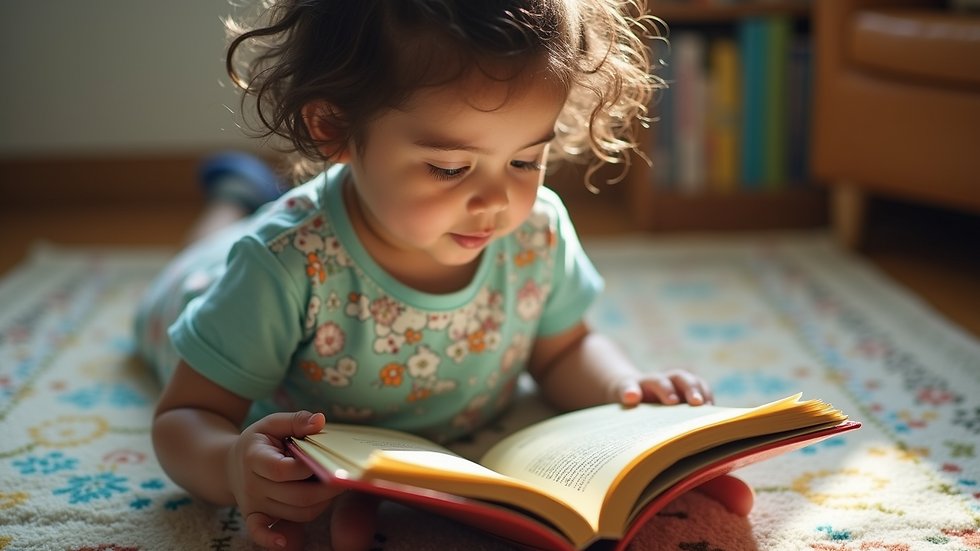
One of the most beautiful ways to support children with social anxiety is through storytelling. Stories can open doors to understanding emotions and building empathy. They allow children to see themselves in characters who face challenges and overcome fears.
Sandra Muñoz, Psy.D., blends her expertise in child psychology with enchanting stories to foster emotional growth and imagination. These stories can be a comforting companion for children navigating their feelings.
Encouraging children to create their own stories or role-play social situations can also boost confidence. It’s like giving them a rehearsal space where they can practice being brave.
Moving Forward with Compassion and Hope
Understanding and addressing social anxiety in kids is a journey filled with hope. By recognizing the signs, learning about the causes, and offering gentle support, we can help children step into the world with courage.
If you want to explore more about childhood social anxiety, resources, and stories that empower children emotionally, I encourage you to visit Sandra Muñoz’s work. It’s a treasure trove of wisdom and warmth designed to nurture young minds.
Every child deserves to feel seen, heard, and supported. With kindness and patience, we can help them find their voice and enjoy the beautiful connections that life has to offer.


Comments